About CHEEE

An AI-product startup,
founded in late 2025.

CHEEE was founded by JR and SP to build useful applications and games with AI-assisted development. Our product work brings together branding, creative direction, product thinking, UX/UI and frontend engineering—skills that shape both what we make and how people use it.

We believe AI is most valuable when it helps solve a real problem or makes a product meaningfully better. That means starting with the user and the job, choosing the right tools, and bringing the care and experience to finish the work well.

Explore what we build
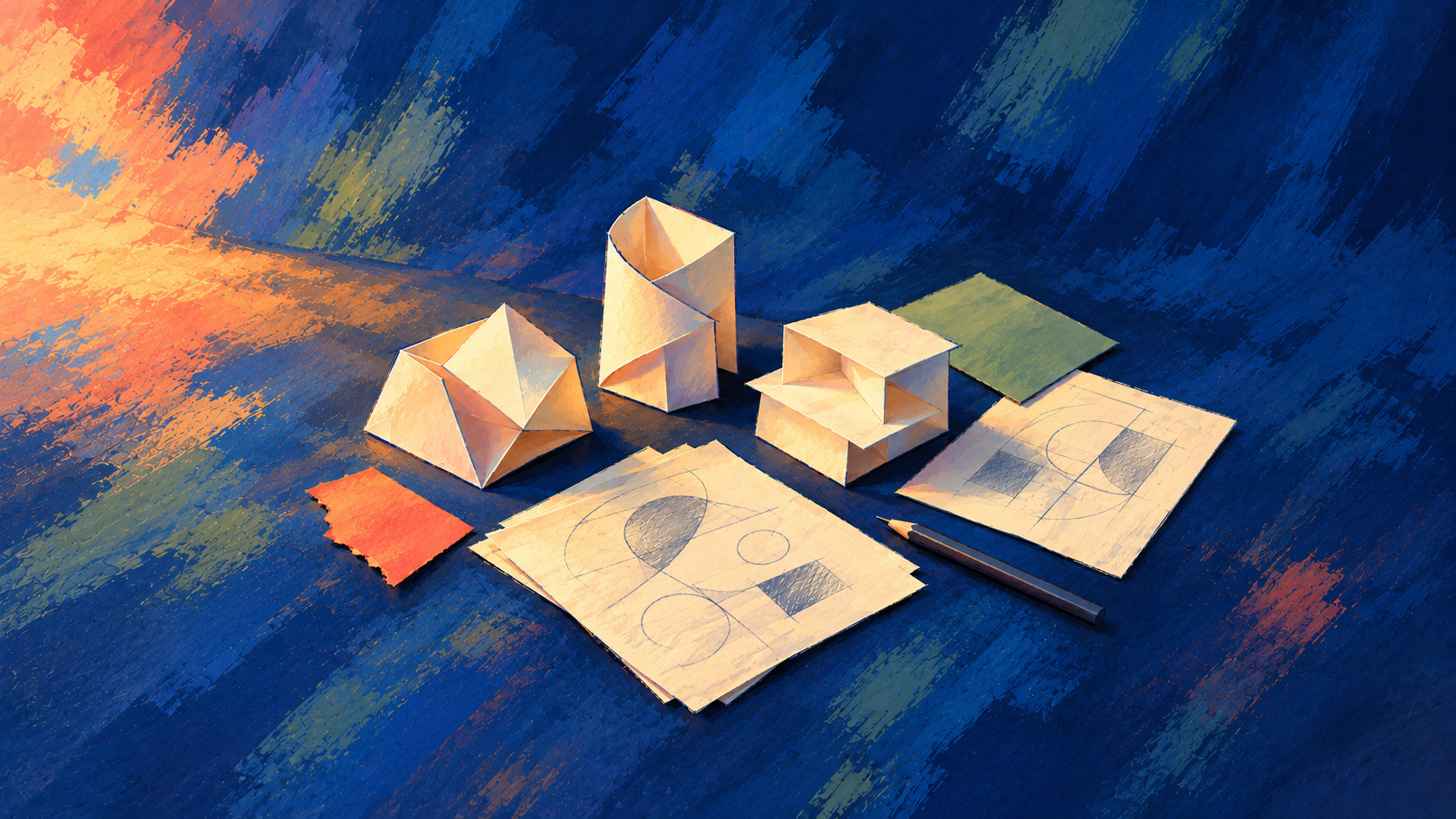
Painterly illustration of folded paper prototypes, pencil sketches and coral and sage material samples
  • Start from a clear product need.

    For an application, that means understanding the task, the people involved and the existing systems. For a game, it means knowing what should make the player curious, challenged or delighted.

  • Bring product and engineering together.

    JR's product and design perspective pairs with SP's engineering expertise from the start. That keeps the interface, core behavior and technical implementation moving toward the same outcome.

  • Ship something people can use.

    We share working product demos so people can interact with the apps and games directly. Each project link opens the product; the artwork on this site is a separate illustration.

The people building CHEEE

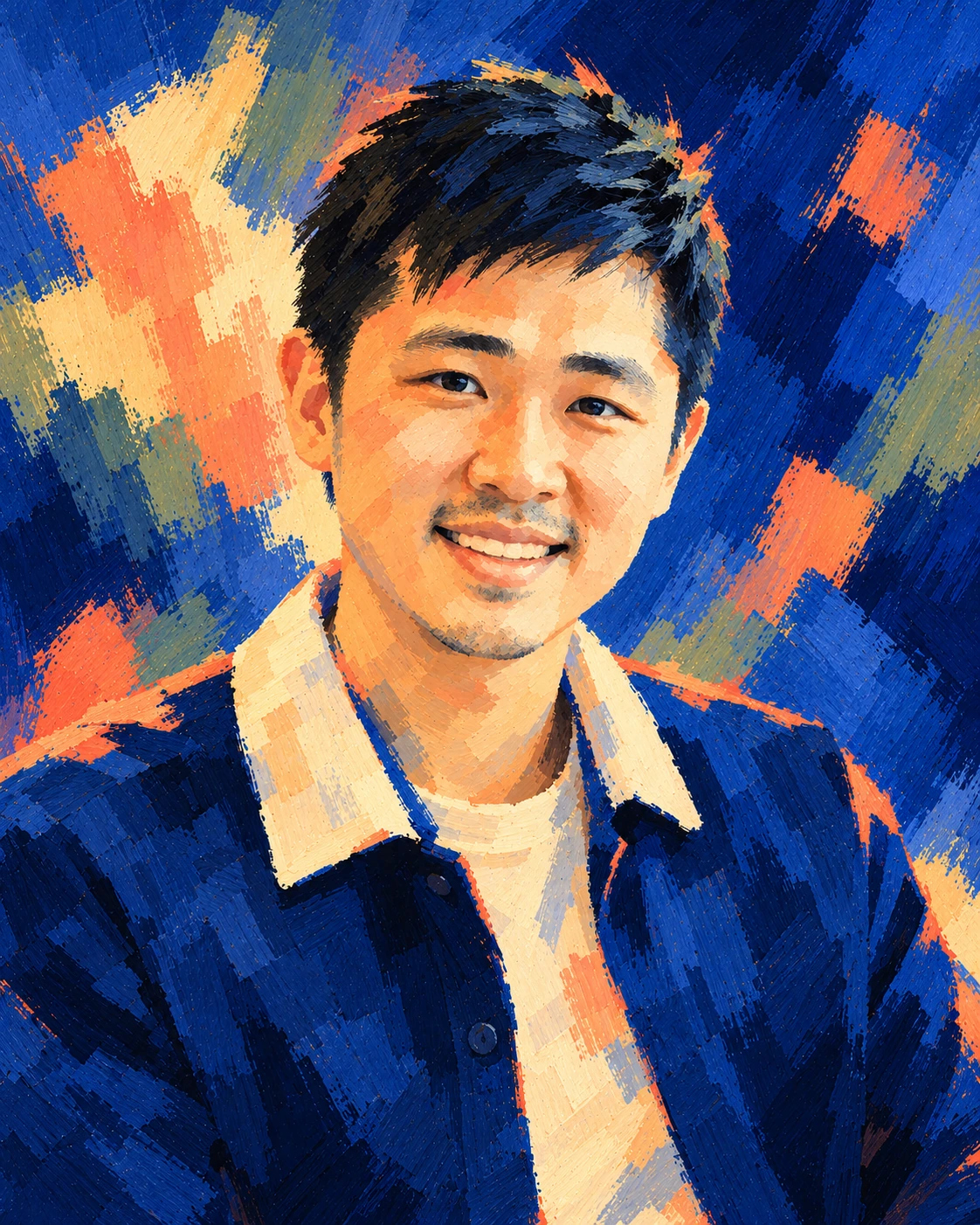
JR and SP bring professional experience in product design and frontend engineering. JR leads brand, creative direction and user experience; SP leads the technical implementation and interactive behavior. Their AI-assisted process helps connect product vision to functioning software. The portraits are deliberately stylized interpretations, not photographs.

Stylized painted portrait of JR with short dark hair

JR

JR's background spans branding, creative direction and product design. He connects those disciplines at the product level: getting clear on the audience and the job, then shaping a visual and interaction system that feels coherent from first impression to final click. He is particular about the details, especially the ones people notice only when they are missing. His usual question: what is this for, and does every part earn its place?

Stylized painted portrait of SP with long dark hair

SP

SP's background is frontend engineering. She translates product direction into responsive, interactive applications and cares about the details between the screenshots: state, behavior, performance and reliability. Her work includes the obvious things—a clear screen, a good button—and the less glamorous ones: validation, awkward screen sizes and what happens when something goes sideways. The aim is software that feels considered and works as expected.

What guides the work

  • Start from a real task

    Understand what someone needs to get done, what they already use and where the current steps get difficult. A useful tool begins with the conditions of the work, not an abstract feature list.

  • Use AI where it helps

    When an in-app AI feature has a clear reason to exist, give it a specific job and a visible review point. People should know what it prepared and where their own judgement is needed.

  • Keep tools focused and clear

    Give each tool a clear job and make the next step easy to understand. A small tool that fits the process is more useful than extra options with no clear purpose.

  • Make interaction serve a goal

    Build games and learning activities around what the campaign wants people to learn or take part in. The interaction should support the message and make participation feel straightforward.

  • Let real demos speak

    Share work people can open and try, so they can see what it does for themselves. A live demo is a more useful starting point for a conversation than an unsupported claim about results.

Describe the task or campaign.

If you are exploring a workflow tool or a campaign experience, write a few lines about the people it is for and what you hope they will be able to do. We can start from there, even if the shape of the project is still open.